
{主关键词}
笑看风云
Chinese scientists develop ‘brain-reading’ AI model to help predict depression risk, may inspire future emotional-perception humanoids_我的网站

A |
Chinese scientists have developed a “brain-reading” AI model that could help predict the risk of depression among adolescents up to four years in advance by analyzing how humans respond to facial expressions, a technology expected to inspire future development of embodied intelligent humanoids capable of perceiving human emotion and thoughts through nuanced facial cues.
WHO data show that around 332 million people worldwide have depression, about one-third of whom have treatment-resistant forms of the condition. In China, an estimated 95 million people suffer from depression, National Business Daily reported, citing statistics from the China Mental Health Survey.
Using data from a population-based longitudinal adolescent cohort recruited across several European countries, the research team led by Lu Han, assistant professor at the School of Artificial Intelligence, Shenzhen University, has built an AI model that predicted which 19-year-olds were more likely to develop depression at the age of 23. The predictions were backed up by an independent clinical cohort of individuals with depression. The team’s paper was published in the journal Science Advances this month.
According to Lu, the study used brain scans taken at age 19 to predict depression-related symptoms at age 23. The study focuses on adolescence because the transition from adolescence to early adulthood is a key developmental period when depressive symptoms can increase rapidly. The earlier risks are identified, the greater the opportunity for prevention, Lu told the Global Times on Monday, adding that the findings need to be further validated in middle-aged and older adults and across different ethnic groups in future research.
In this study, the researchers analyzed data from adolescents in the IMAGEN, a population-based longitudinal cohort recruited across several European countries. At age 19, participants underwent an fMRI emotional-face task, and their emotional symptoms were assessed using standardized questionnaires. Genetic data obtained from blood samples were also analyzed, and participants were followed up at age 23. The researchers examined whether neural representations of angry faces at age 19 were associated with emotional symptoms and could predict elevated emotional symptoms four years later.
According to Lu, people without depression can more easily distinguish emotional changes based on others’ facial expressions and respond accordingly – for example, responding with friendliness to a smiling expression. But people with depression cannot do this, and are more likely to assume people are angry with them.
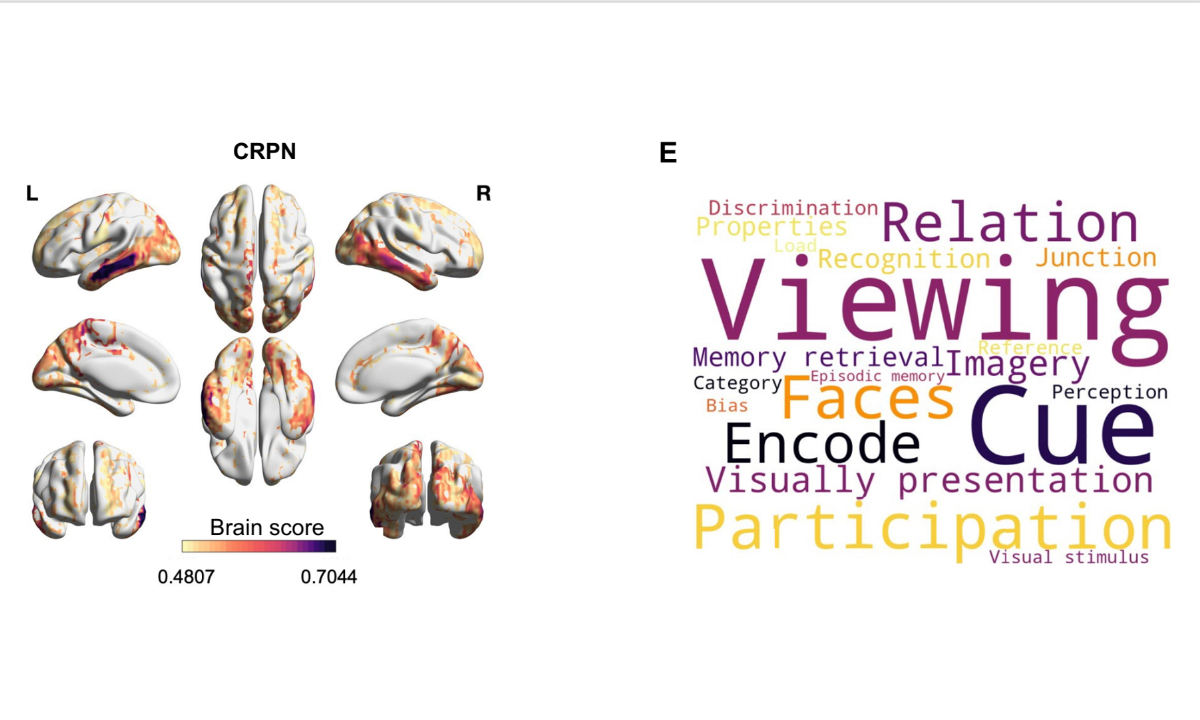
A brain-aligned deep-learning model developed by Lu’s team suggested that those participants whose brains were less able to distinguish between different facial emotions and tended to perceive others as angry were more likely to develop symptoms of depression and anxiety in adulthood.
The hypothesis that adolescents at risk of depression may respond differently to other people’s facial expressions than those without such risk based on the negative information processing bias long observed in depression research: people at risk of depression are more likely to notice, interpret, or remember negative social information, Lu said.
The researchers focused on angry facial expressions because they signal social threat and rejection, which are closely linked to interpersonal difficulties and negativity bias associated with depression. They hope to further understand how this bias develops within the visual system.
Building on this, they created a deep learning model, which mimics how the brain processes visual information, to predict how the brain encodes abstract emotional concepts such as anger.
They found that 19-year-olds whose response to facial expressions was skewed in favour of negative emotions or memories were the most likely to develop some form of depression.
Based on these findings, Lu’s team then developed a marker that can identify possible warning signs.
According to Lu, the study found that the computational biomarker was linked to the depression-related variant rs11123030 and polygenic risk for depression, suggesting that genetic susceptibility may affect emotional perception. It also provided predictive information beyond family stress and socioeconomic factors, complementing rather than replacing environmental risk factors. Therefore, depression is neither purely genetic nor purely psychological, but a complex mental disorder arising from the interplay of genetic susceptibility, brain development, emotional and cognitive processes, and life experiences.
According to Lu, the study is also expected to advance AI by aligning deep neural networks with human brain activity and using parameter perturbations to probe neural mechanisms, allowing models to both predict and explain how biases may arise.
The findings suggest that future affective computing and embodied AI should go beyond simply labeling facial expressions, incorporating visual details while preventing prior assumptions from overriding real-time sensory input, Lu said, adding that the findings could provide valuable insights for developing more interpretable robotic perception systems that more closely emulate the way humans process emotions.
。

B | 改为18强赛是大势所趋 由过去两届最为关键的产生世界杯出线队的“12强赛”变成“18强赛”可以说是大势所趋。不仅仅因为从2026年开始,亚洲参加世界杯决赛阶段比赛的席位增加到了8.5席,极大地调动了亚洲各队的积极性,而且从市场开发、商务角度等来说,这也是亚足联包括各会员协会进一步增加收入的机会。当初,亚足联竞赛委员会在征求广泛意见时,对于产生出线队的最关键阶段比赛变成“18强赛”,各方普遍持赞成意见,唯一的争议还是在于:在展开18强赛之前,究竟是让水平相对更低的球队更多地参与到其中,还是尽可能维系整个亚洲足球的竞技水平? 具体说来,就是在产生18强之前,参赛队分成9个小组,究竟是45队参赛(每组5队)还是36队参赛(每组4队)?最终的结果,还是后者占据了上风,即“整体上需要维系亚洲足球的竞技水准”,36队参赛、每组4队更合适,而且整个竞赛周期相对也不会更长。因为每组4队的话,在主客场制的情况下,每队就只进行6轮比赛;每组5队则需要10个比赛日。亚足联执委会也最终通过了亚足联下属竞赛委员会所提交的竞赛方案。预选赛将分4个阶段展开 根据最新的竞赛方案,2026年世界杯亚洲区预选赛将分为4个阶段展开。第一阶段:先由排名靠后的弱队展开一轮主客场制淘汰赛。这与2018年以及2022年两届世界杯亚洲区第一阶段比赛相类似。

C | 根据抽签之前的国际足联最新排名情况,亚洲排名第26至47位的队伍先进行一轮主客场制淘汰赛,胜者将参加第二阶段比赛。比赛安排在2023年10月份的国家队比赛窗口期进行。第二阶段:由前两届的“40强赛”变成“36强赛”。第一阶段获胜的11支队伍,加上亚洲排名第1至第25位的队伍共36队,将分成九个小组、每组4队,以主客场制进行,按照积分排定座次。每个小组的前两名出线,进入第三阶段“18强赛”。比赛安排在2023年11月份、2024年3月份、2024年6月份的国家队比赛窗口期进行。

D | 第三阶段:由前两届的“12强赛”变成“18强赛”。

E | 这18支球队将根据国际足联最新排名分成三个小组、每组6队,以主客场制进行,按积分排定座次。每个小组的前两名出线、直接进军世界杯决赛阶段比赛,产生6支出线队;每个小组的第三、第四名则将获得第四阶段附加赛资格;小组第五、第六名则直接被淘汰。比赛安排在2024年9月份至2025年6月份的国家队比赛窗口期进行,共10个比赛日。第四阶段:在这一阶段附加赛中,三个小组的第三、第四名共6支球队再按国际足联最新排名进行分组抽签,分成两个小组、每组3队,以单循环赛制、按积分排定座次。两个小组的第一名成为亚洲区第七、第八支出线队;两个小组的第二名则再展开一轮主客场制淘汰赛,以争夺亚洲区第九名、参加跨洲附加赛。

F | 比赛将安排在2025年9月份至10月份的国家队比赛窗口期进行。这意味着代表亚洲直接参加2026年世界杯赛的8支球队将分两个阶段产生,而第九名球队能否同时获得世界杯入场券,则将取决于跨洲附加赛的成绩。2027亚洲杯与世预赛重合 需要指出的是,考虑到国家队比赛窗口期的问题,亚足联除了敲定世界杯预选赛竞赛方案之外,也敲定了2027年亚洲杯预选赛的竞赛方案。

G | 延续前两届亚洲杯预选赛的情况,即亚洲杯预选赛前期与世预赛将“合二为一”。第一阶段预选赛:与世预赛第一阶段淘汰赛一样,亚洲排名靠后的22支球队先进行主客场制淘汰赛,除了11支取胜的球队晋级世预赛第二阶段比赛之外,11支失利的队伍中,成绩最好的一支队伍将直接进入亚洲杯预选赛第三阶段比赛,其他10支队伍则进入亚洲杯预选赛第二阶段比赛。第二阶段预选赛:10支在第一阶段比赛中失利的球队将按照国际足联排名敲定对阵形势,获胜的5支球队将进入第三阶段比赛。

H | 比赛将在2024年9月份进行主客场制淘汰赛。第三阶段预选赛:第二阶段中获胜的5支球队,加上第一阶段预选赛中成绩最好的一支失利的队伍共6队,再加上世界杯预选赛第二阶段36强赛中小组未能出线的18支队伍,总共24队,将分为六个小组,每组4队,进行主客场制比赛。六个小组第一名将获得决赛阶段比赛资格。比赛时间为2025年的6月份至2026年的3月份,利用国际足联指定的国家队比赛日进行。需要指出的是,获得世界杯预选赛第三阶段18强赛参赛资格的队伍,将自动获得2027年亚洲杯决赛阶段比赛资格。亚洲杯预选赛第三阶段预选赛就只是产生6个最后的参赛席位。24队将参加2027年亚洲杯决赛阶段比赛。这样,整个2026年世界杯亚洲区预选赛、2027年亚洲杯预选赛的赛制、赛程就已经完全敲定。接下来,就是各队将如何根据这样的赛制、赛程展开全方位的准备了。从理论上来说,中国男足进军世界杯赛的机会与希望肯定是较以往大幅度提升,但中国男足的竞技水准却着实难以令国人满意。

I | 面对新的机遇、新的诱惑,中国足球接下来将如何应对,这恐怕比世预赛赛制、赛程本身更令球迷关注。相关 亚足联推出未来4年赛历 国字号球队面临考验 亚足联于8月1日公布了2026年世界杯预选赛以及2027年亚洲杯预选赛的全新竞赛方案,敲定赛制与赛程的同时,也推出了未来4年周期内亚足联主办的其他各项国字号球队的赛事日程,U17国少队、U20国青队、U23国奥队均面临严峻的挑战与考验。根据亚足联拟定的最新赛程,下一届U23亚洲杯赛暨2024年巴黎奥运会男足亚洲区预选赛竞赛时间已敲定,参赛队员为2001年1月1日以后出生的球员。由成耀东挂帅的2001年龄段国青队将确认参赛,球队将于本月5日前往克罗地亚进行拉练、热身。第六届U23亚洲杯预选赛定于2023年9月4日至12日进行;决赛阶段比赛则定于2024年1月10日至28日进行。值得注意的是,由于2022年杭州亚运会已经确认延至2023年9月23日至10月8日进行,由扬科维奇所率的1999年龄段国足亚运队将吸纳部分2001年龄段球员,如陶强龙、刘祝润,中国足协将协调两队用人问题。2026年第七届U23亚洲杯的预选赛则定于2025年9月6日至14日进行,决赛阶段比赛则定于2026年1月7日至25日进行。由西班牙教练安东尼奥挂帅的中国2003年龄段U19国青队目前正在塞尔维亚集训,并将参加今年9月份在沙特进行的U20亚洲杯预选赛小组赛。决赛阶段比赛将安排在2023年3月1日至18日进行,地点在乌兹别克斯坦。

J | 由2005年龄段国青队参加的2025年U20亚洲杯预选赛定于2024年9月21日至29日进行,决赛阶段比赛则定于2025年2月6日至23日进行。由2007年龄段国少队参加的2027年U20亚洲杯预选赛定于2026年9月19日至27日进行,决赛阶段比赛的时间则将稍后再敲定。由杨晨挂帅的中国2006年龄段U16国少队不久前刚刚结束在武汉的集训热身,随后将参加今年10月在澳大利亚进行的U17亚洲杯预选赛小组赛。由2008年龄段国少队参加的2025年U17亚洲杯预选赛定于2024年10月19日至27日进行,决赛阶段比赛则定于2025年4月3日至20日进行。

K | 由2010年龄段队伍参加的2027年U17亚洲杯预选赛定于2026年10月17日至25日进行,而决赛阶段比赛的时间则将稍后再敲定。至此,多个年龄段国字号青少年梯队的竞赛日程均已经全部敲定。

L | 本组文/马德兴 【编辑:叶攀】
Current article:http://1eq4b.yinkataizengquge.bond/news/20260826_620774.html
Published on:09:05:15
- 9335岁萌娃与民警老爸吃饭,默契配合抓网逃
- 1076哈尔滨官方通报一住宅楼出现整体倾斜:空置状态,决定拆除
- 604三星Galaxy S23规格曝光:升级幅度不大
- 1765074美国联邦政府关闭或延迟部署5G网络
- 1716「エコバッグより売れてる」カルディの2026年限定紙袋が可愛すぎ!ピンクのストライプ柄は絶対買いと「限定SSサイズも」
- 346629Allu Arjun Met 5 Directors; Circumspect Over His Next Film
- 8659857“제정신이야?” 현직 경찰이 전 연인 집 주소 알려줘…‘보복 대행’ 맡긴 30대
- 336939PLA Southern Theater Command spokesperson slams Philippines for co-opting outside countries in so-called ‘joint patrols’ that disrupt regional peace, stability
- 8951从爱心驿站到大奖福地,大连大奖实体店用心“敲”出惊喜
- 3416088万亿市值中际旭创深夜再公告:明年订单需求相较今年仍保持快速增长 预计到明年资本开支都较大
- 8371彭博:月之暗面拟8月启动Pre-IPO融资,目标估值最高500亿美元
- 725迈得医疗:上半年归母净利润亏损1636.29万元,同比由盈转亏
- 434404全球唯一!詹姆斯同款迈巴赫S680将拍卖 车身布满皇冠等专属元素
- 53887Severe flooding cuts off villages in Guangxi, rescue teams deliver emergency supplies
- 679深度|四张榜单,四种真相:WAIC 之后,世界模型到底该看哪个排名?
- 62364腾讯汤道生:元宝仍然有很大的赶超机会
- 2027看雄安瞰未来(8月16日—8月22日)丨雄安:科技破圈,浪漫出彩!
- 367700探索“住创一体”运营模式 才景和府入选省级青年安居试点
- 689447299 美元:高通 Arduino VENTUNO Q 边缘 AI 平台开放预购
- 285梨园雅韵绽芳华
- 715大乐透第26081期开5注一等奖
- 197183《産後わずか2カ月で復帰》趣里(35)が早くもドラマ主演内定→夫・三山凌輝(26)は“パスタ店”で迷走中…再始動で浮き彫りになった「夫婦それぞれの現在地」
我的网站热门国内
- Copyright @ 2016-2017 我的网站 版权所有